Therapy for relationship trauma, emotional abuse recovery, perfectionism, burnout, and ADHD. Serving adults throughout Oregon & Washington.
Trauma-informed therapy for adults ready to heal from painful relationship patterns, let go of over-responsibility and people pleasing, and reconnect with yourself.


Reconnect with yourself.
Rediscover harmony in your relationships.
Reclaim your life.
Even as someone who has it together in many areas of life, you may find a very different pattern emerges in your most signi relationships:
You may notice this shows up most strongly in your closest romantic relationships while other areas of your life feel steady, manageable, and in flow.
You’re someone others rely on. You’re thoughtful, responsible, and emotionally attuned. However, in this dynamic, you may find yourself over-giving, over-functioning, or carrying more emotional weight than feels mutual.
Over time, you might feel increasingly disconnected from yourself, wondering why this one relationship pattern feels so different from how competent and grounded you are elsewhere.
You may find yourself stuck between trying harder to make it work… and quietly feeling resentful, exhausted, or unseen in the process.
Because you’re used to being steady and self-aware, it can be especially confusing when this particular relationship brings out patterns of self-abandonment, over-responsibility, or emotional burnout.
You’ve tried but you can’t think your way through this.
-
You are a person who appears to have it all, or at least has it together on the outside. You are able to achieve success in many areas of life, all seems to be in flow and yet what is going on with this troubling relationship pattern? It seems to be out of synch with the rest of you and your life. And what’s more, you see some patterns in your romantic relationships that make you scratch your head.This again? How did I get here again? Why am I putting up with this? Why didn’t I see this coming? What do I do to change this?
-
Maybe you’ve spent so much of your life adapting, over-explaining, people-pleasing, or trying to keep the peace that unhealthy dynamics started to feel familiar. Reaching out for therapy may be the first time you’re no longer blaming yourself or trying to “just handle it” alone.
-
Therapy can help you understand the deeper patterns underneath the stress, overwhelm, and confusion. Imagine having deeper clarity into your “type” of partner you are attracted to, why certain dynamics feel familiar, why self-doubt takes over, and why it can feel so hard to leave, speak up, or trust your own reality.
Healing is not about judging yourself for repeating the pattern. It’s about learning how to recognize emotional harm earlier, reconnect with your instincts, set and maintain internal and external healthy boundaries, build confidence in yourself, and create relationships that feel safe, mutual, and grounded instead of confusing, one-sided, or emotionally draining.
In therapy, we can work together to help you more fully understand any harmful relationship behavior patterns or patterns of over-responsibility and over-performing. Imagine gaining deeper clarity about why these patterns exist and might feel familiar, and how to heal from and stop any unhealthy unconscious patterns in your life for good.
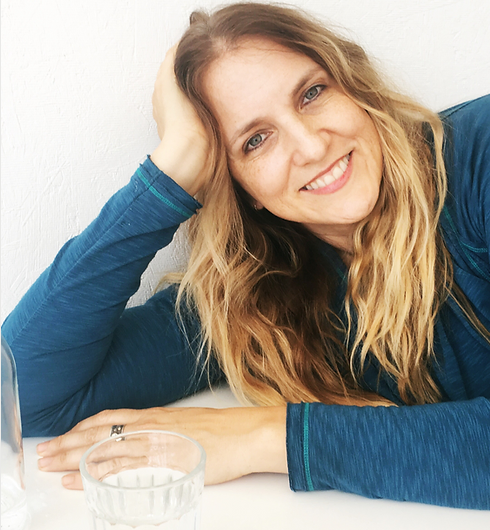
I’m charlotte.
I thrive on helping people find their way through the many puzzles, conundrums, pitfalls, and quagmires of relationships and life. I help people get unstuck from patterns that no longer serve them including unhealthy relationship patterns and coping with patterns of anxiousness, over-performing, chronic perfectionism, and burnout. I also help adults with ADHD navigate the unique challenges ADHD can create in relationships, work, self-esteem, and everyday life.
Depending on your need, therapy with me can help you:
heal from old relationship wounds including from the fallout of coercive and manipulative behavior patterns such as narcissistic abuse
develop and maintain healthy boundary setting in your relationships and with yourself in regard to how you might tend to become over-responsible when others are involved
move on and let go of old attachments that no longer serve you, freeing you up for what does
significantly increase self-forgiveness , self-understanding and identity development and improvement of self-esteem
create long-lasting positive change in your relationships and in your life that is in better alignment with who you are now
You're here for a reason. You've got some work to do to help you get to where you'd like to be in your relationships and in your life. To where you deserve to be. Let me be your guide. I'll support you every step of the way.


How I can help
I specialize in therapy for lasting change.
-
From the outside, it may look like you have it all together. You're responsible, capable, and used to meeting high expectations, but beneath the surface, you may be feeling constant pressure, overthinking every decision, struggling to slow down, or feeling exhausted from trying to keep up with it all.
Many high-achieving adults live with anxiety, burnout, and perfectionism that go unnoticed by others. They push through stress, prioritize everyone else's needs, and hold themselves to impossible standards—often at the expense of their own well-being.
Therapy with me can help you understand the patterns that keep you stuck in cycles of overwhelm, self-criticism, and chronic stress. Together, we'll work to quiet the relentless inner pushy always-be-doing part of you, develop healthier boundaries (and how to maintain them), and create a life that feels more balanced, sustainable and fulfilling.
You don't have to earn rest. You don’t have to prove your worth through productivity. You don’t have to carry everything on your own. I’m here to help simmer down that inner unconscious pressure cooker and help you make your life less pushed around by that part of you. Let’s put you more at the steering wheel of your life. Imagine what it would be like if “the worrier” or “over responsible” parts of you backed off and gave you the wheel? More ease, less self-induced pressure, and less burnout are available to you. Let’s get to it.
-
Many people who have experienced emotionally harmful, manipulative, or chronically one-sided relationships find themselves carrying lasting effects long after the relationship ends — anxiety, hypervigilance, self-doubt, difficulty trusting themselves, people-pleasing, or feeling pulled back into familiar unhealthy dynamics.
Using a combination of EMDR, Schema Therapy, and Internal Family Systems therapy, I help clients heal both the emotional wounds and the deeper relational patterns that keep these experiences feeling stuck.
EMDR can help process painful memories, relationship trauma, and the lingering emotional intensity connected to criticism, gaslighting, betrayal, conflict, or emotional neglect so those experiences no longer feel as overwhelming in the present.
Schema Therapy helps identify the long-standing beliefs and survival patterns that often develop through earlier life experiences and become activated in unhealthy relationships — patterns such as abandonment, self-sacrifice, emotional deprivation, or feeling responsible for other people’s emotions. Together, we work to strengthen self-trust, boundaries, emotional clarity, and healthier ways of relating.
IFS therapy and parts work help you understand and care for the different “parts” of yourself that developed to survive difficult relationships — the part that over-accommodates, the part that stays hyper-alert, the part that fears abandonment, or the part that blames yourself for what happened. Rather than judging these responses, IFS helps create compassion, healing, and internal clarity so you can respond to yourself and others from a more grounded place.
The goal is not only healing from what happened, but understanding why these dynamics became familiar in the first place so you can move forward with greater confidence, self-compassion, and healthier relationships.
-
ADHD is more than distractibility or disorganization. It can affect your confidence, relationships, work, and emotional well-being. I help my clients with ADHD to better understand their unique strengths and challenges, reduce self-criticism, and develop strategies that allow them to thrive instead of simply surviving.
How it works